How to choose between self-monitoring and professional security monitoring
Deciding between self-monitoring your home security system and professional monitoring services involves balancing control against peace of mind.
The core difference in monitoring
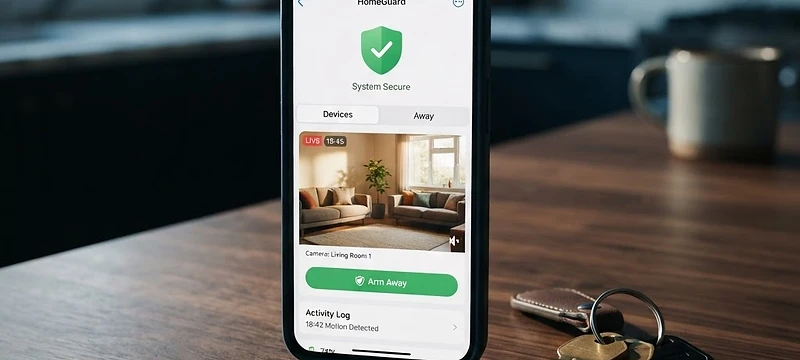
When you invest in a security system, the most significant decision you face is how the system handles an alert. Self-monitoring puts the responsibility entirely on your shoulders. When a sensor is triggered, the system sends a notification to your smartphone. You are responsible for receiving that alert, opening the app, viewing the camera footage, and deciding whether to contact the local authorities. Professional monitoring, by contrast, connects your system to a secure, staffed center that operates around the clock. If an alarm triggers, trained personnel receive the signal and attempt to contact you to verify the situation before dispatching emergency responders if necessary.
The reality of self-monitoring
Self-monitoring is popular because it often eliminates monthly service fees. It gives you total control over the data generated by your sensors and cameras. However, this model assumes you are always available and prepared to handle a crisis. If you are in a meeting, in a movie, or sleeping, you might miss the notification that your alarm is sounding. You are also responsible for the speed of the response. If your internet connection is unstable or your phone battery dies, your home remains unmonitored during an active emergency.
When self-monitoring makes sense
- You work from home and have the ability to respond immediately to alerts.
- Your primary goal is receiving package notifications or checking on pets rather than comprehensive security.
- You live in an area where local authorities do not respond to private security dispatch requests.
Why professional monitoring adds value
Professional monitoring serves as an insurance policy for your home security. The primary benefit is redundancy. Even if your Wi-Fi drops or your phone is off, the monitoring center remains aware of your system status. They can contact you via landline or cellular backup to verify if an intruder is present or if a fire alarm was triggered by burnt toast. They serve as a bridge between your home and local emergency services. In a situation involving a fire or a medical emergency, the few minutes saved by having a professional call for help can be significant.
Key benefits of professional oversight
- Immediate dispatch to emergency services during a verified security breach or environmental hazard.
- Continuous protection even when you are traveling, sleeping, or occupied with other tasks.
- Potential savings on your homeowners insurance policy, as many providers offer discounts for professionally monitored homes.
Factoring in the false alarm risk
False alarms are a reality for any security system, whether it is self-monitored or professionally managed. With self-monitoring, you are the one responsible for deactivating the system and verifying the cause of the alert. If you are not home, you may be unable to prevent a false alarm from creating unnecessary stress. Professional monitoring teams are trained to follow specific protocols to verify alarms. They often call the primary contact first to ensure that a simple mistake, such as an unlocked window blown open by wind or a pet entering a restricted area, does not lead to a false dispatch of local police.
The bottom line
Choosing how to monitor your home comes down to your personal threshold for risk and your daily availability. While self-monitoring offers a lower initial cost, professional monitoring provides a level of reliability and emergency readiness that is difficult to replicate on your own. If you are ready to secure your home with a system backed by professional support, our authorized dealer team can help you get started. You can currently claim a $1,200 free equipment kit, which requires a 36 month monitoring agreement to ensure your home stays protected by our dedicated response centers.