Do I need a landline for my security system?
Learn how modern cellular and broadband security systems work without a landline and why they are often more reliable than traditional phone connections.
The shift toward wireless connectivity
Many homeowners assume that a home security system requires a traditional telephone landline to transmit alerts. In the past, this was the standard for home alarms. A physical copper wire connected your alarm panel to the local monitoring station. If an intrusion occurred, the panel would seize the phone line and send a signal through the wall jack. Today, technology has shifted significantly. Most modern security systems rely on cellular connectivity or high speed internet to communicate with the monitoring center. This transition makes security more accessible for households that have abandoned traditional landlines in favor of mobile phones and voice over IP services.
How cellular monitoring works
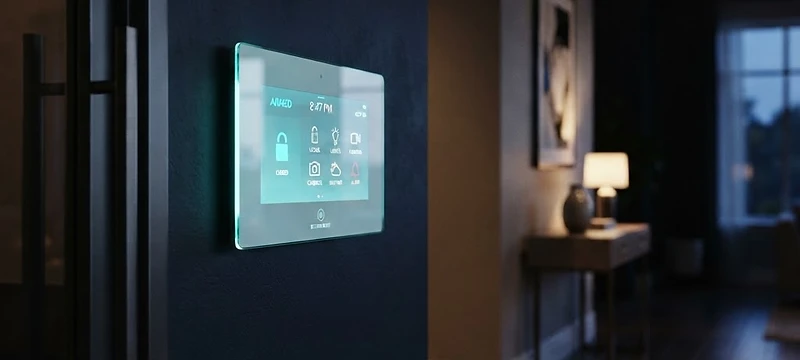
When your system uses cellular technology, it operates much like a smartphone. The main control panel inside your home contains a dedicated cellular radio module. This module uses an encrypted signal to talk to the cellular towers in your area. Because this signal is dedicated to your security system, it does not rely on your home internet speed or the status of your home phone wires. It is a highly reliable method for security communication. Even if a burglar cuts your exterior phone lines or if a storm knocks out your neighborhood internet, the cellular signal remains active and independent. This is why professionals often consider cellular to be the gold standard for security reliability.
Broadband versus cellular
Some systems offer the option to connect via your home broadband internet. This is a fast and effective way to send data. However, there is a notable vulnerability here. If your router loses power or your cable provider experiences a service outage, your alarm system may lose its connection to the monitoring station. While broadband is convenient for streaming video or managing smart home devices, most security experts recommend keeping a cellular backup active at all times. Our authorized dealer team often designs systems that use broadband as the primary path but keep a cellular radio enabled to ensure that your home remains protected even when the network goes down.
Why you should cut the cord
Aside from the cost savings of removing your landline service, there are practical security advantages to moving away from phone line monitoring. Traditional phone lines are often fragile. A simple issue with a pole down the street can leave your home disconnected from outside help. Additionally, a landline connection is relatively slow compared to modern digital signals. Modern systems can send a high resolution snapshot or a video clip to your smartphone the moment a sensor is tripped. A standard landline cannot handle that volume of data. By switching to a wireless system, you get faster response times and more feature rich interactions with your home.
Assessing your home needs
If you are worried about the signal strength in your area, remember that the cellular modules used in professional security systems are often more sensitive than the average consumer handset. They are designed to punch through exterior walls and maintain a consistent lock on the nearest tower. You do not need to worry about your internal home phone setup or whether you still have an active wall jack in your basement. Wireless systems provide flexibility in where you place your main control panel. You can tuck it away in a hallway or a central closet without needing to run cables back to the utility room.
The bottom line
You do not need a landline to keep your home safe. Modern security systems are designed for the wireless age, using secure cellular signals that offer greater reliability and faster response times than traditional phone lines. You can stop paying for a service you no longer use and upgrade to a system that provides peace of mind. We are currently offering a $1,200 free equipment kit to new customers who choose to protect their homes with our professional monitoring services. This offer requires a 36 month monitoring agreement to ensure your system remains operational and your home stays guarded around the clock.